


Moulton Bicycles
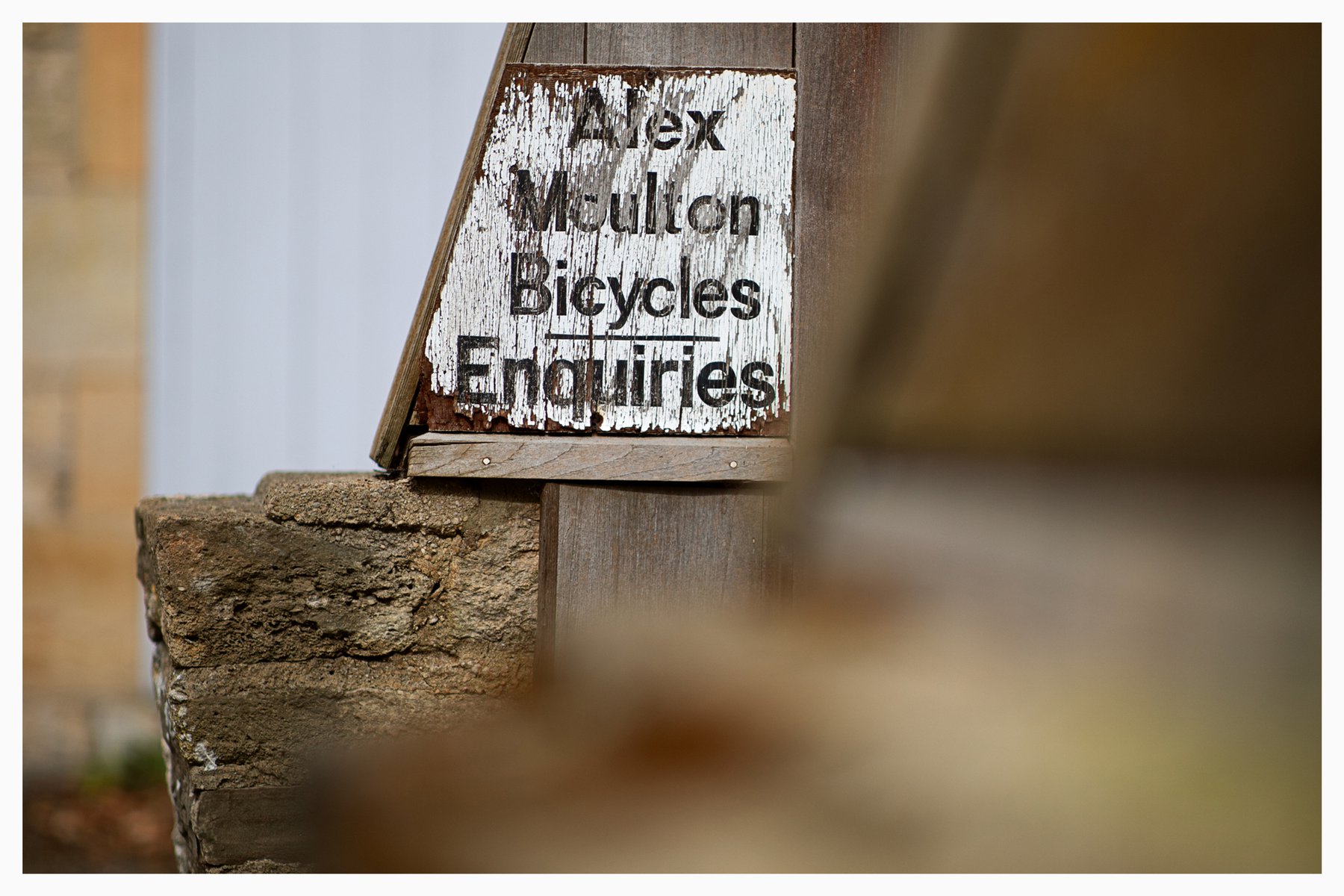
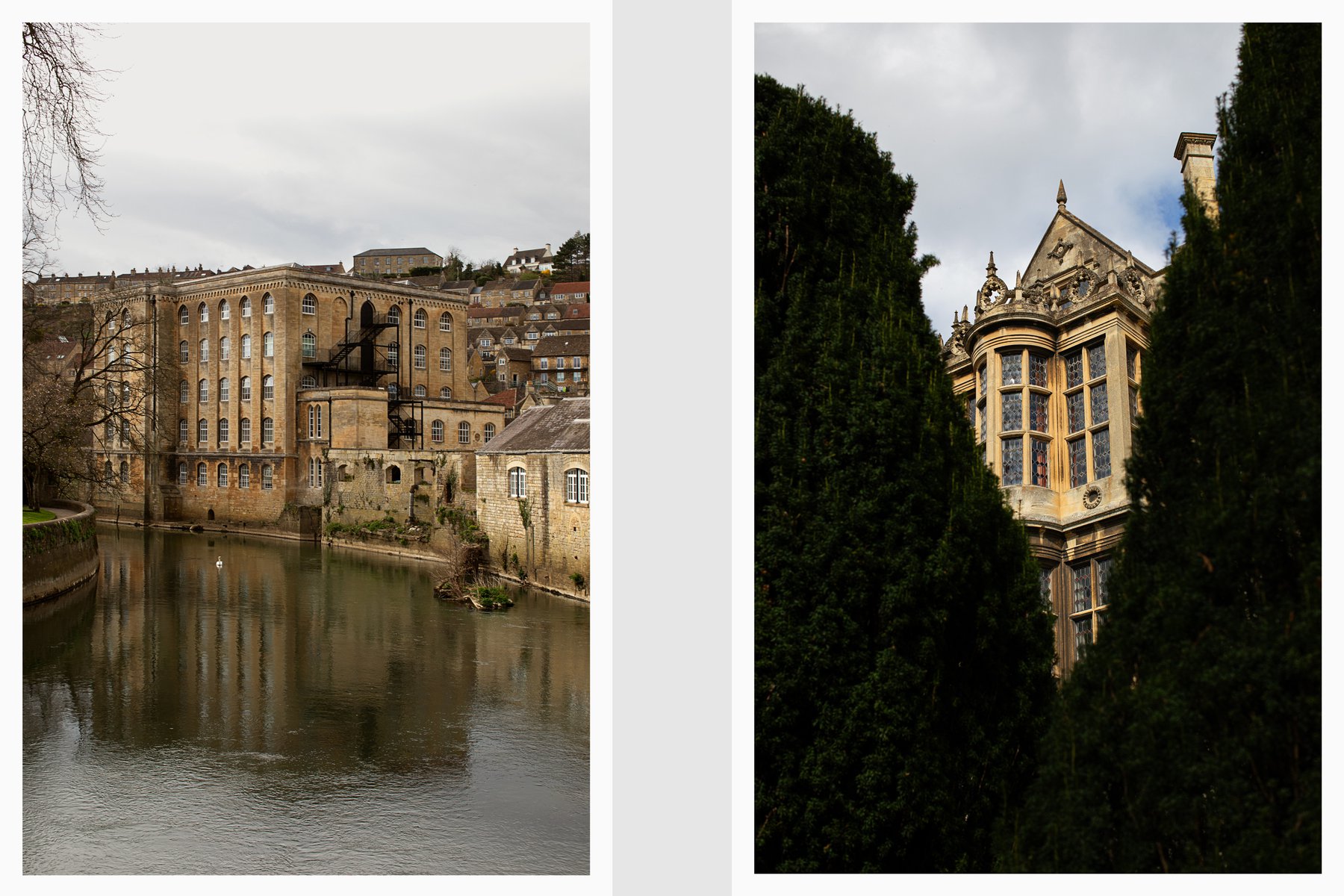
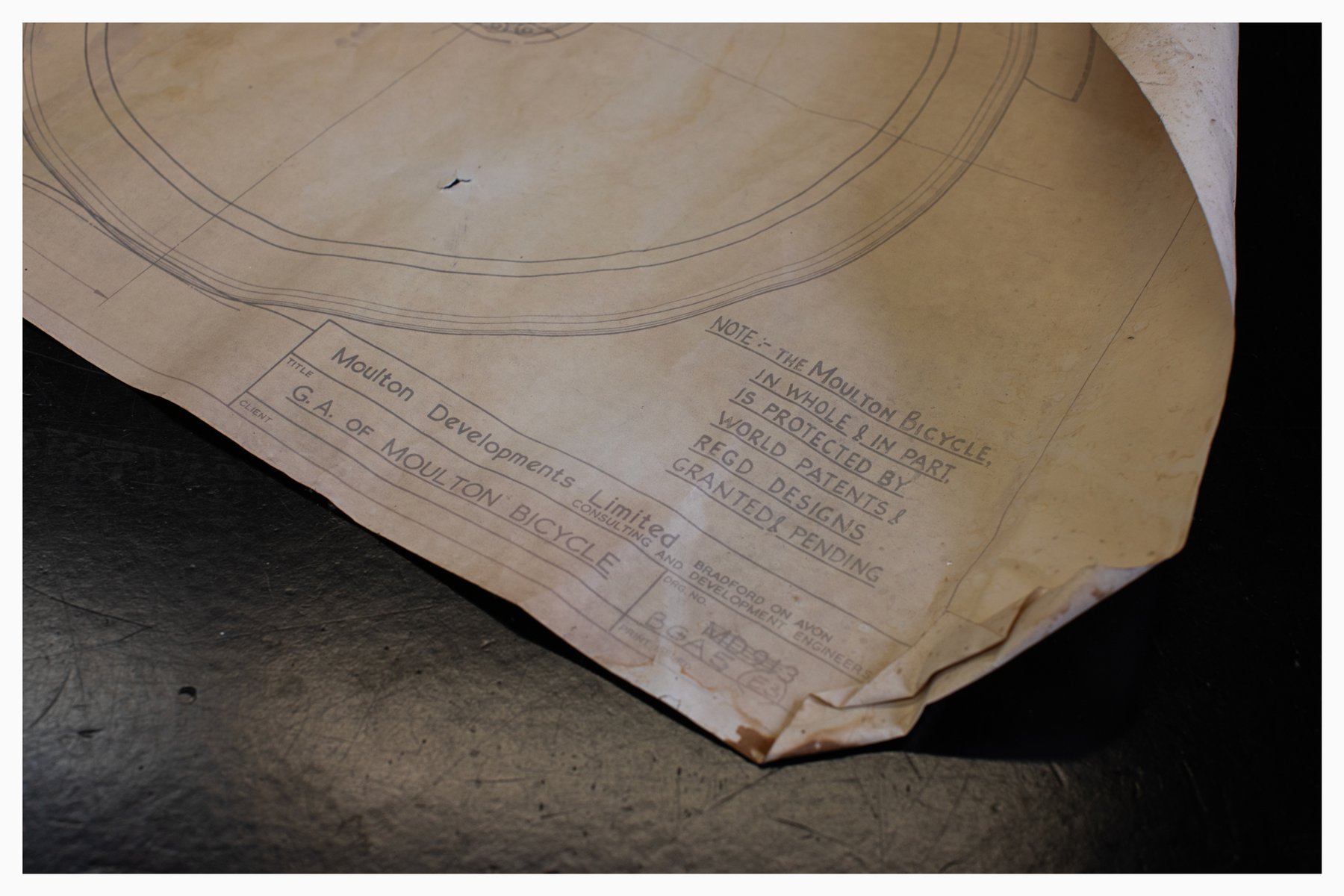
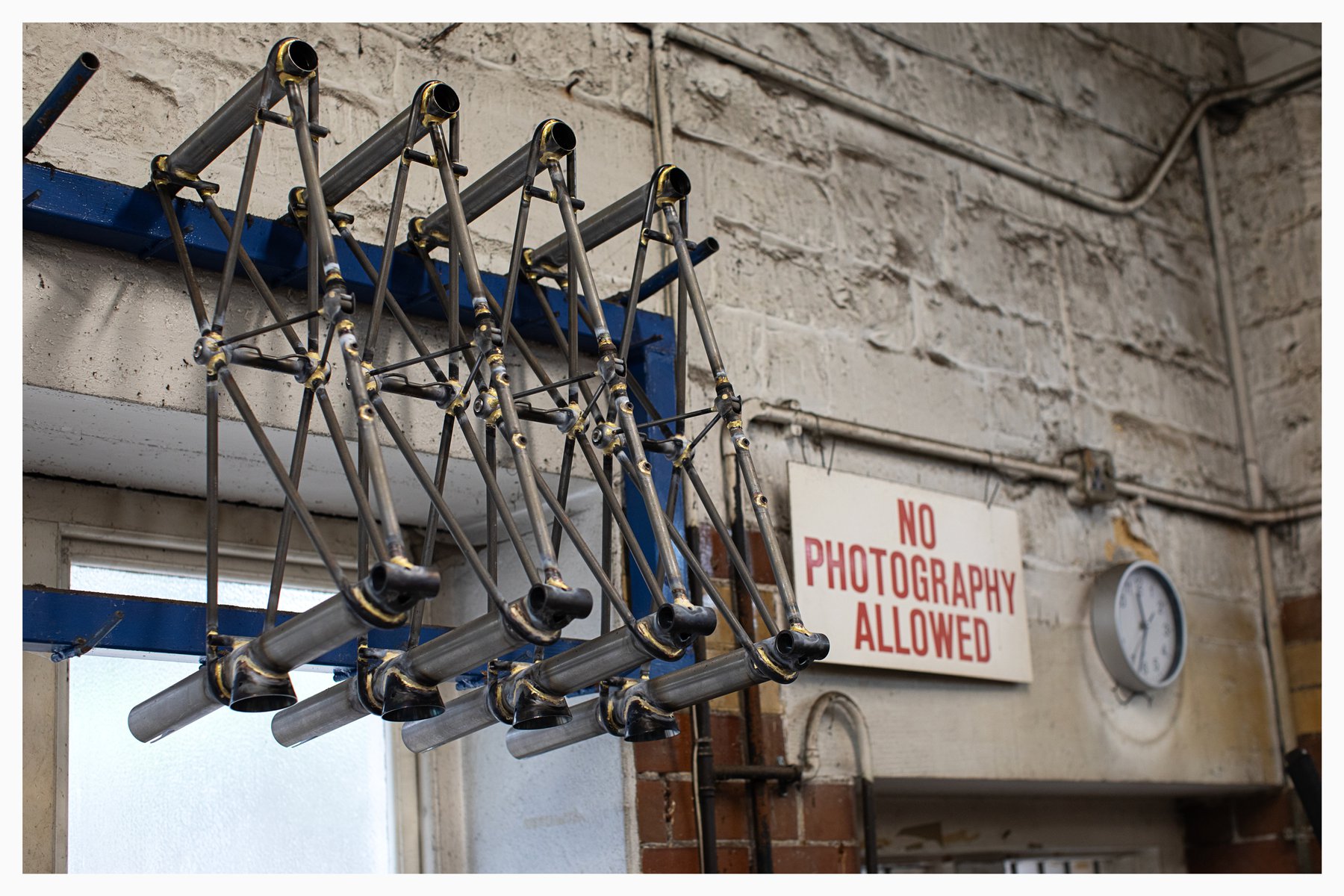
Moulton Bicycles are based in the picturesque Wiltshire town of Bradford-on-Avon. Hand-built in the stables and small factory building overlooked by the Jacobean mansion, The Hall. This was the generational home of engineer and designer Dr Alex Moulton who’s family had built a significant rubber manufacturing business in the town from 1848. (S. Moulton & Co took over the town’s large mill buildings of its former textile industry. They became the major supplier of rubber buffers, springs, and hoses to Chief Engineer Isambard Kingdom Brunel’s trains for the booming Great Western Railway.) This heritage had led Alex Moulton to famously design the rubber suspension for the Mini, launched in 1959. Following the small-wheeled car, the small-wheeled Moulton Bicycle (designed entirely by Moulton) also incorporated rubber suspension. Launched in 1962, the F-Frame Moulton was an immediate success and went on to be produced in large numbers. And like the Mini, it became a cultural symbol of the swinging 60’s.
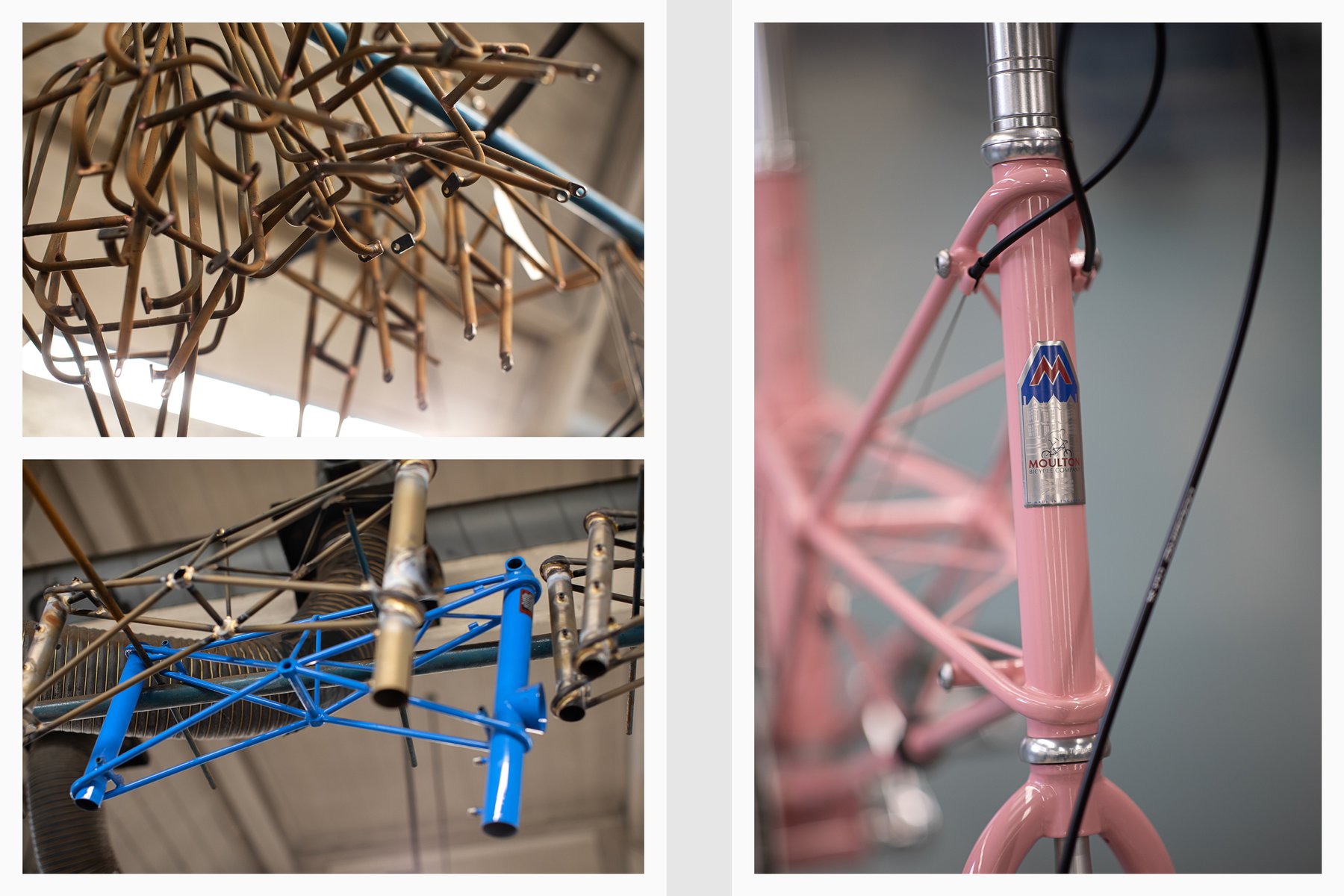
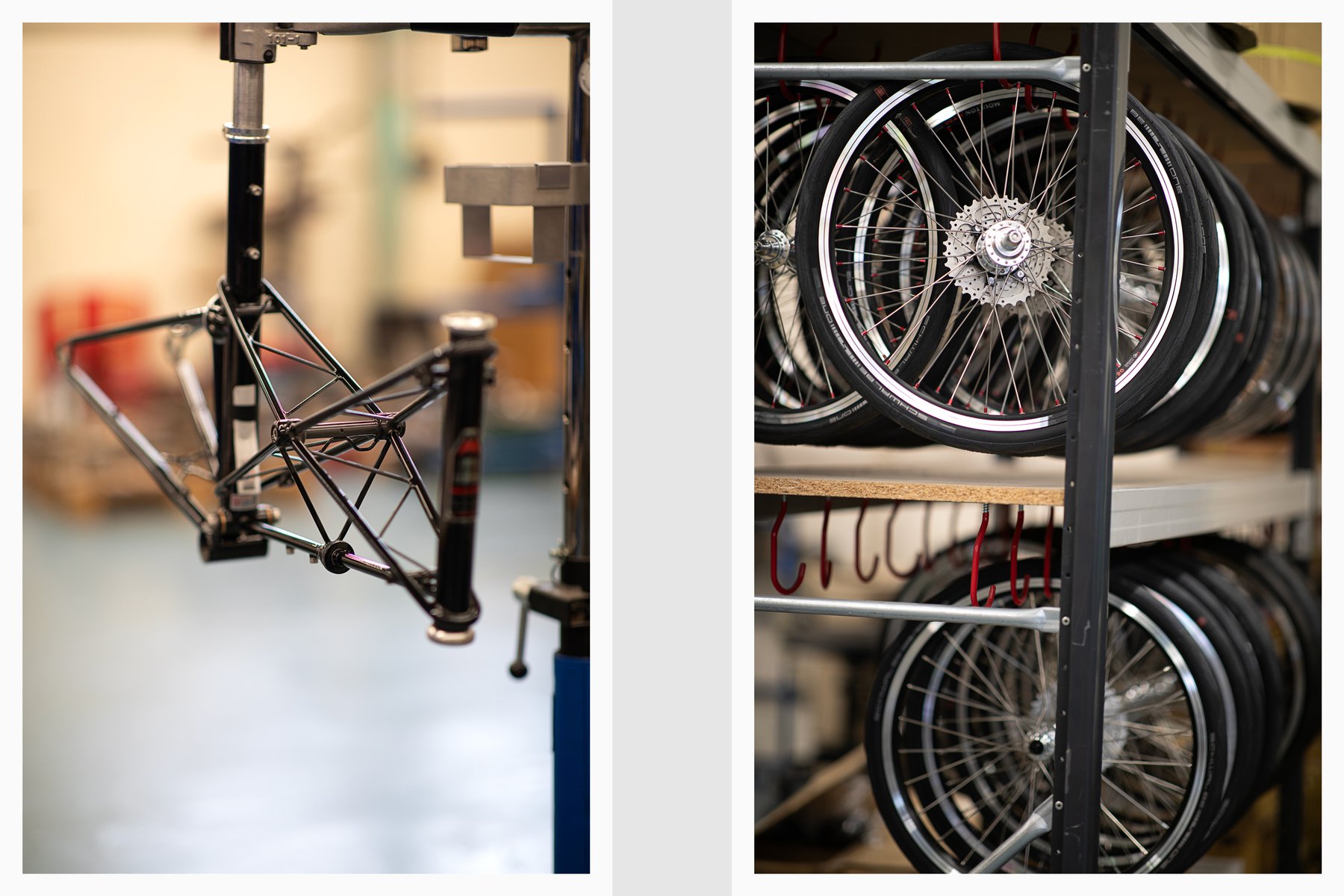
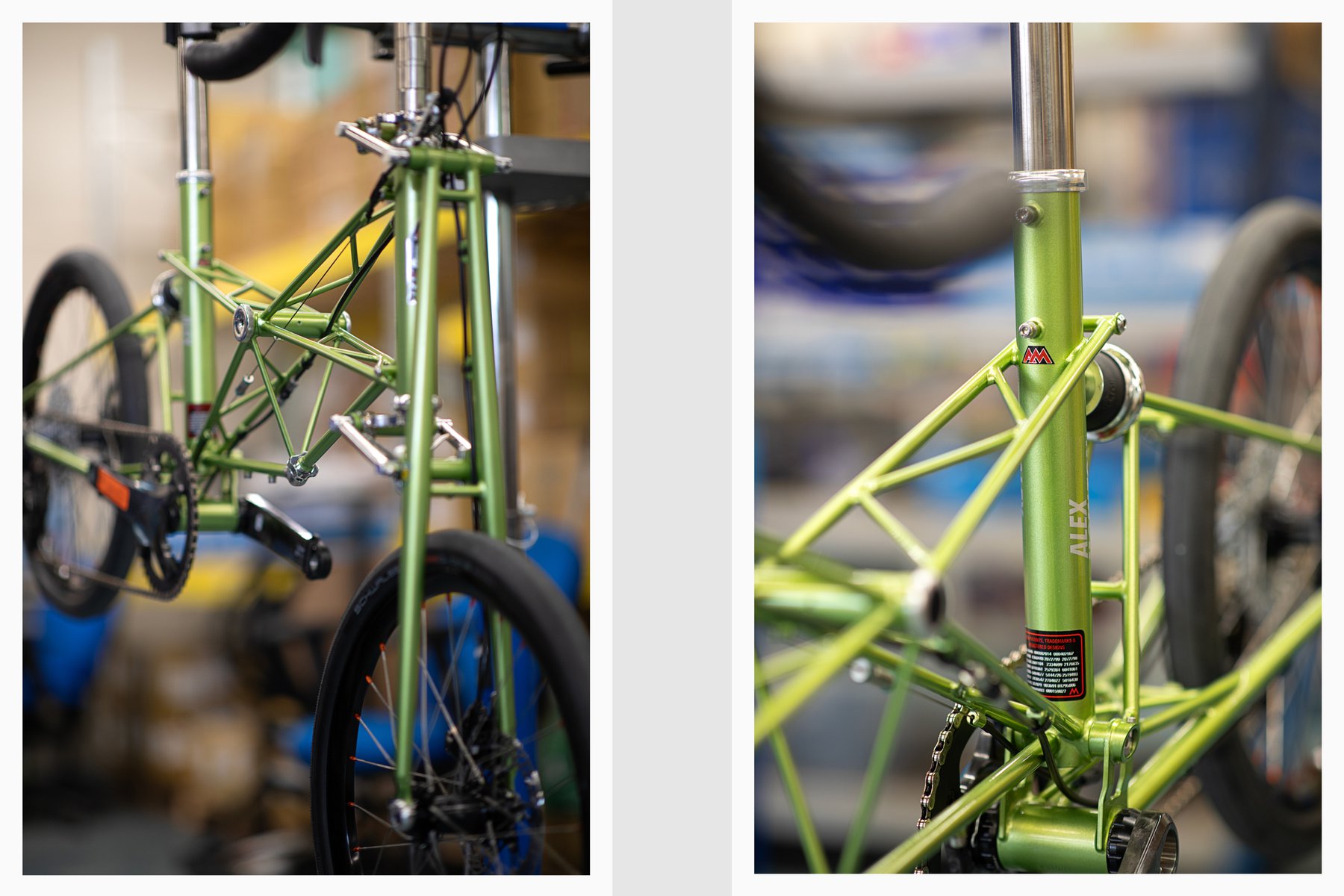
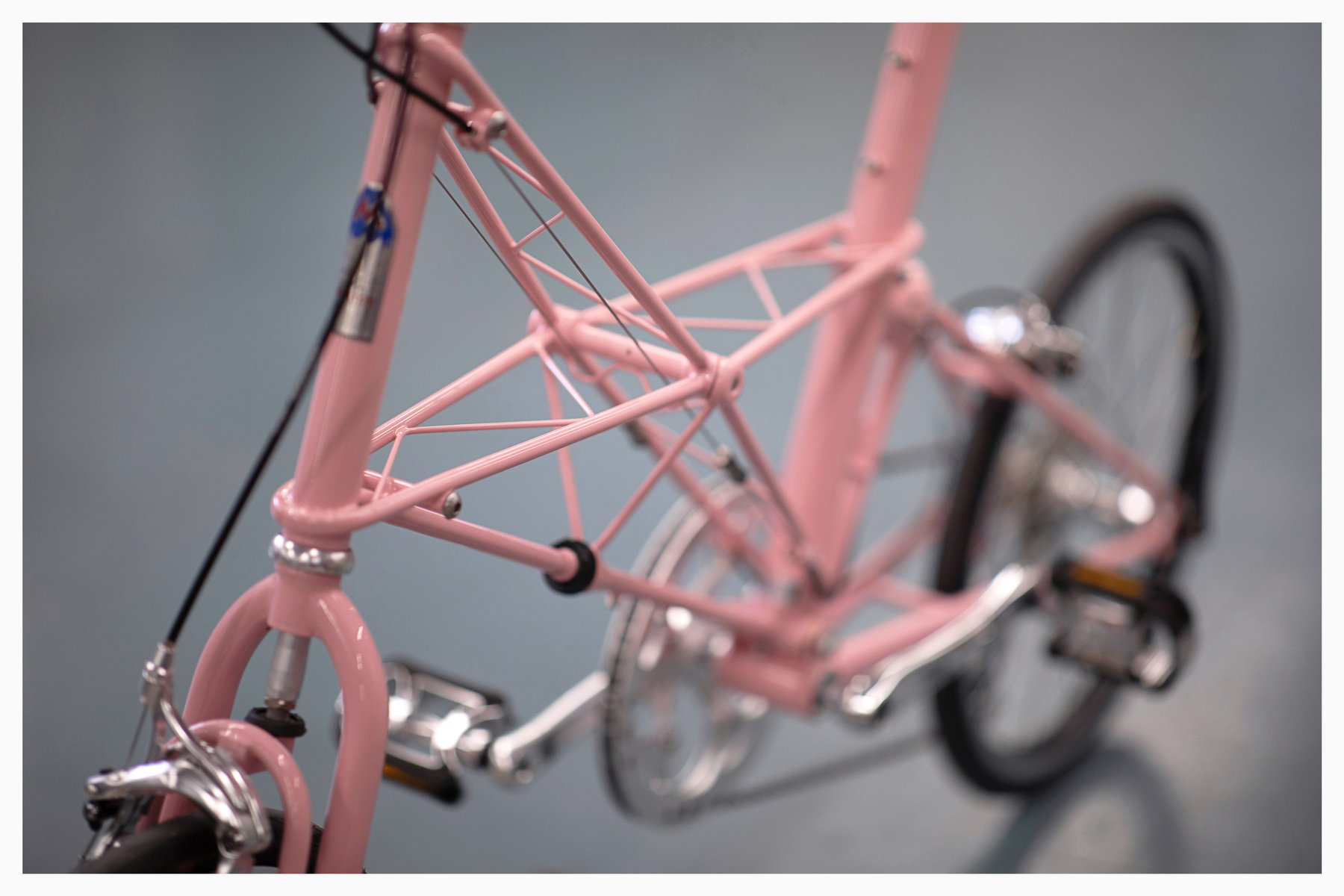
Today, Moulton focus on hand-building the later, more complex spaceframe models (first launched in 1983). These are rightly hailed as a top-end design classic and are highly sought-after across the world – to those who can afford one. Sir Norman Foster (a friend of Alex Moulton, keen cyclist and a Moulton enthusiast), described them as: ‘the greatest work of 20th-century British design’.
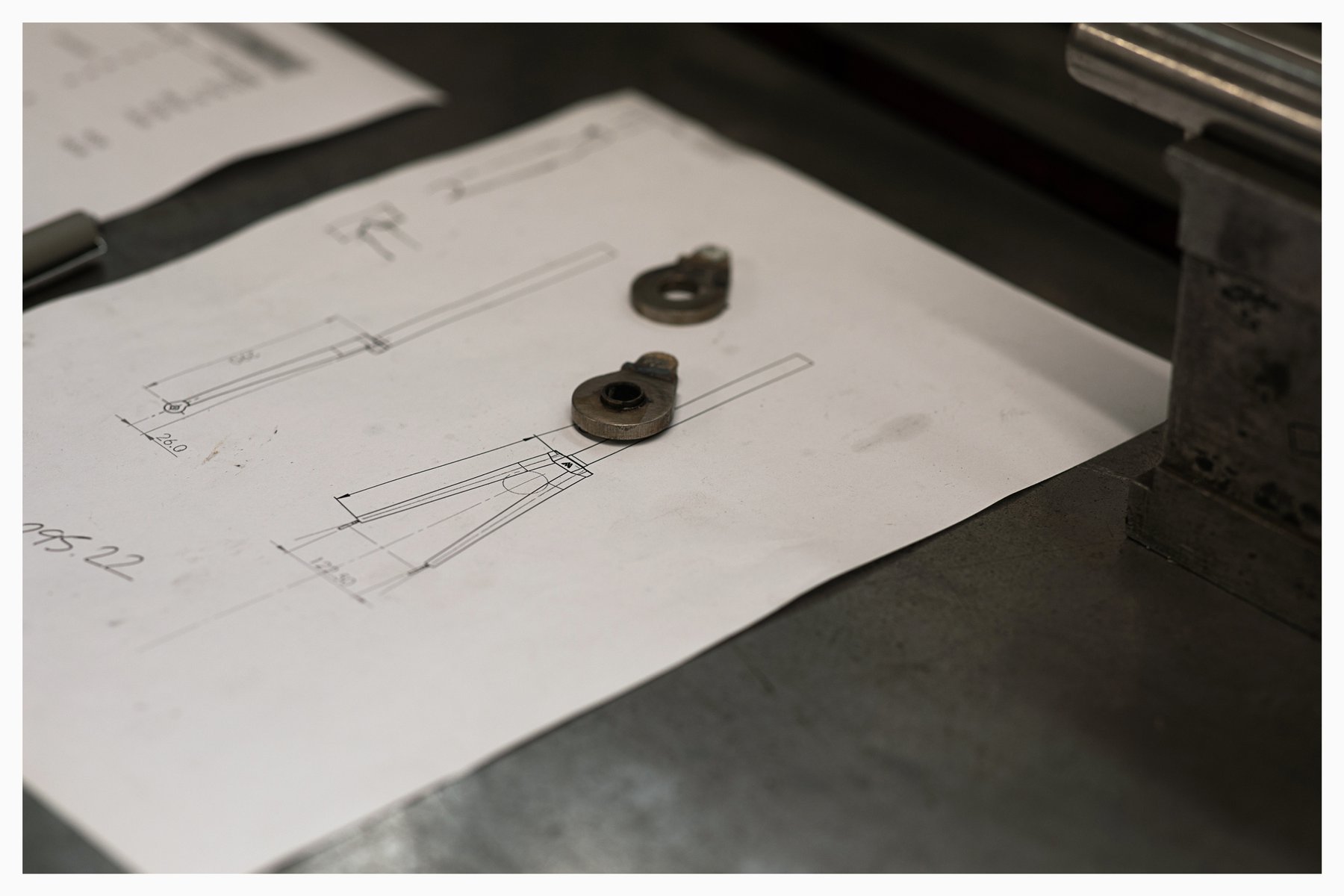
Working on a photographic project to showcase the best in design and British manufacturing, naturally then included some time at Moulton’s factory in Bradford-on-Avon. This led to some insightful conversations with both the Technical Director, Dan Farrell and Sales Director, Steven Harvey. (Dan is also an important local historian who has written a book on the town’s industrial past and the Moulton family’s pioneering rubber business.)
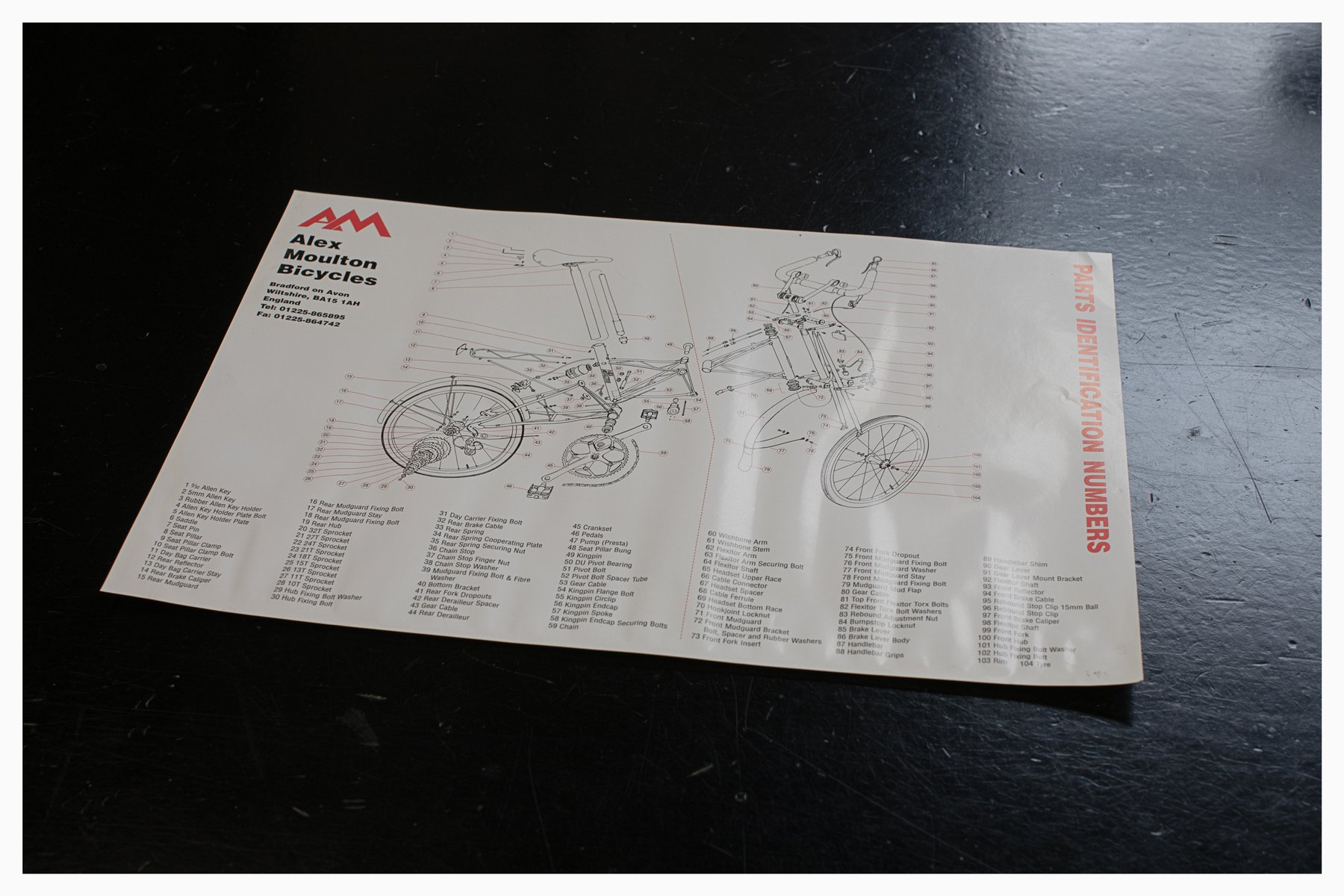
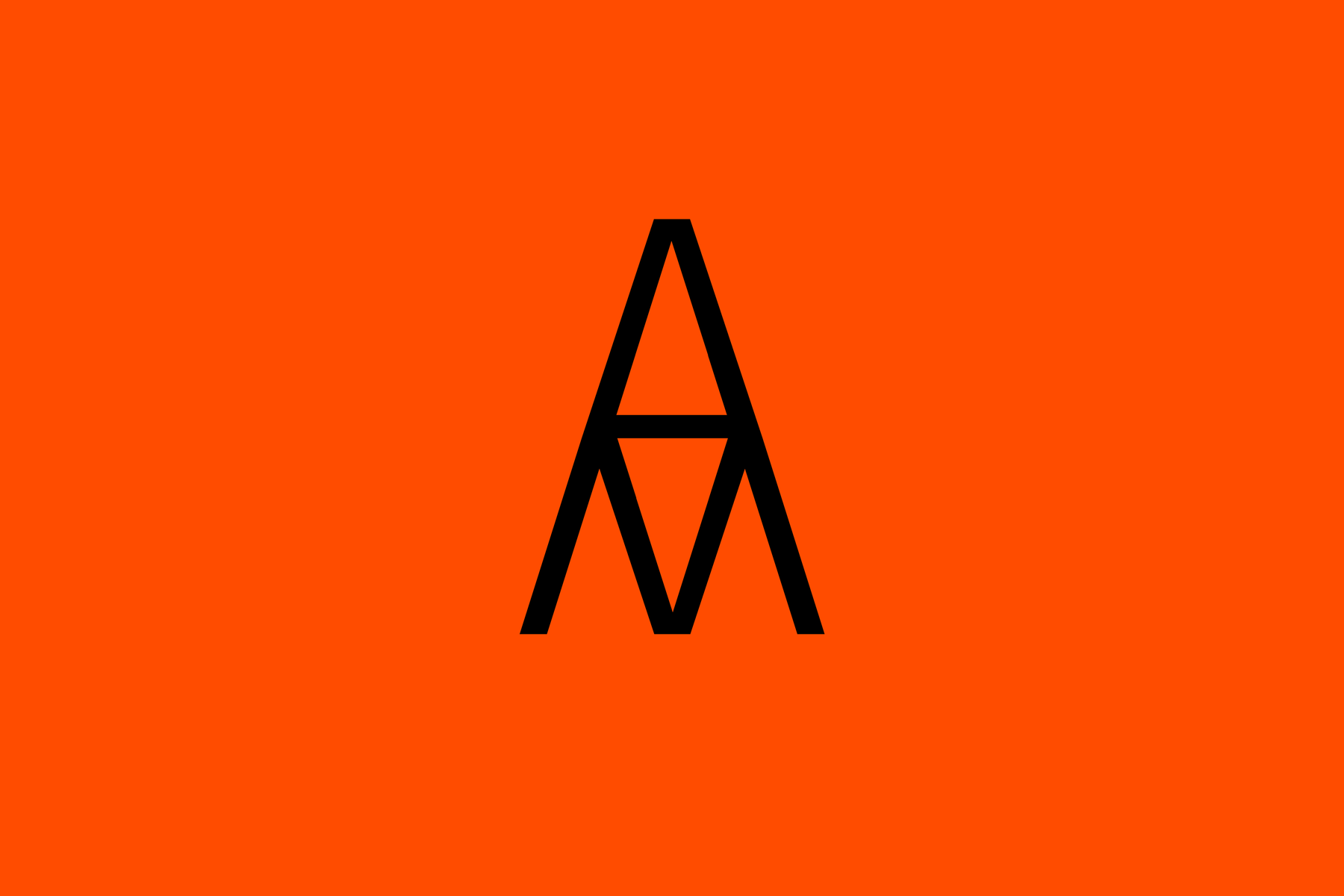
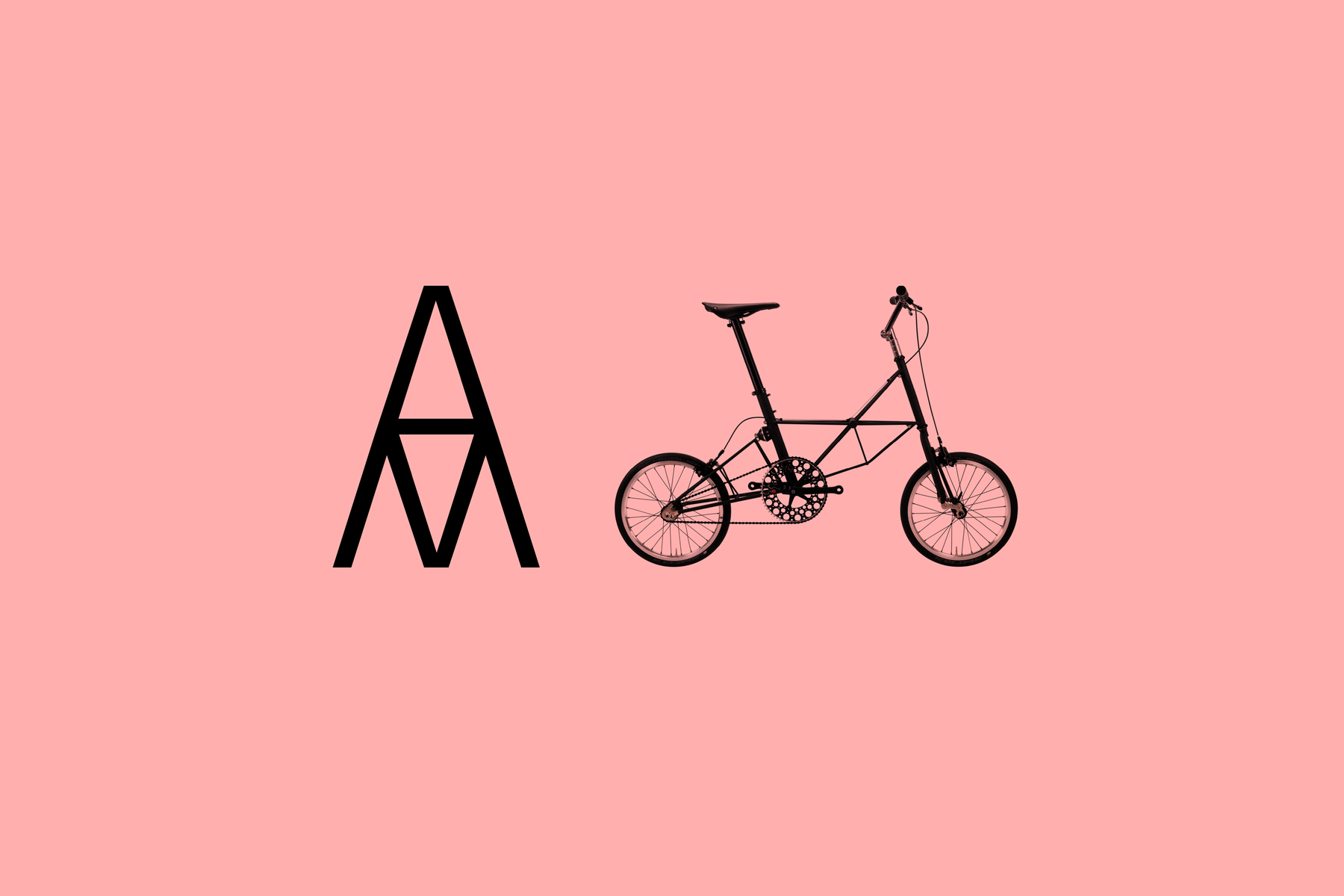
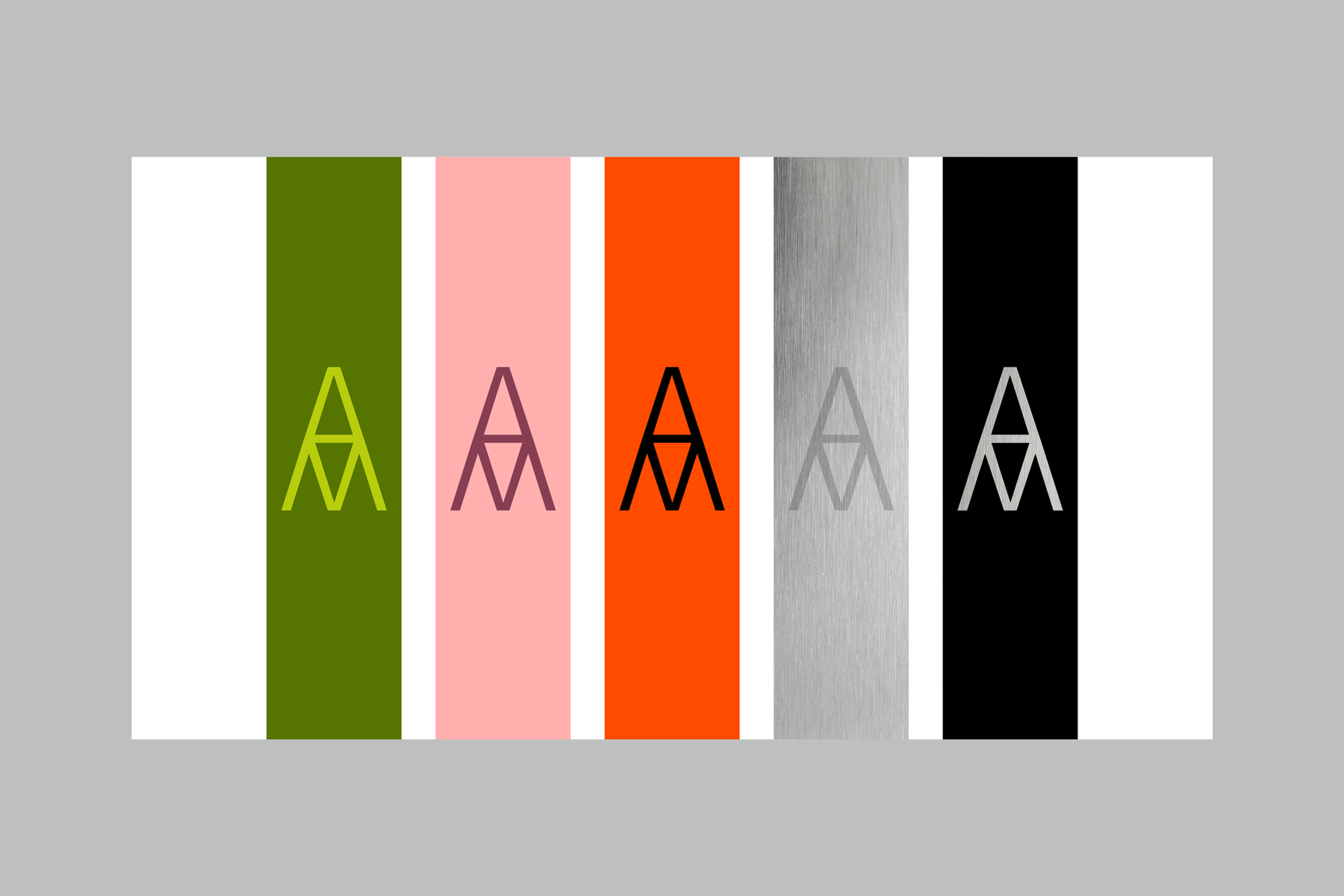
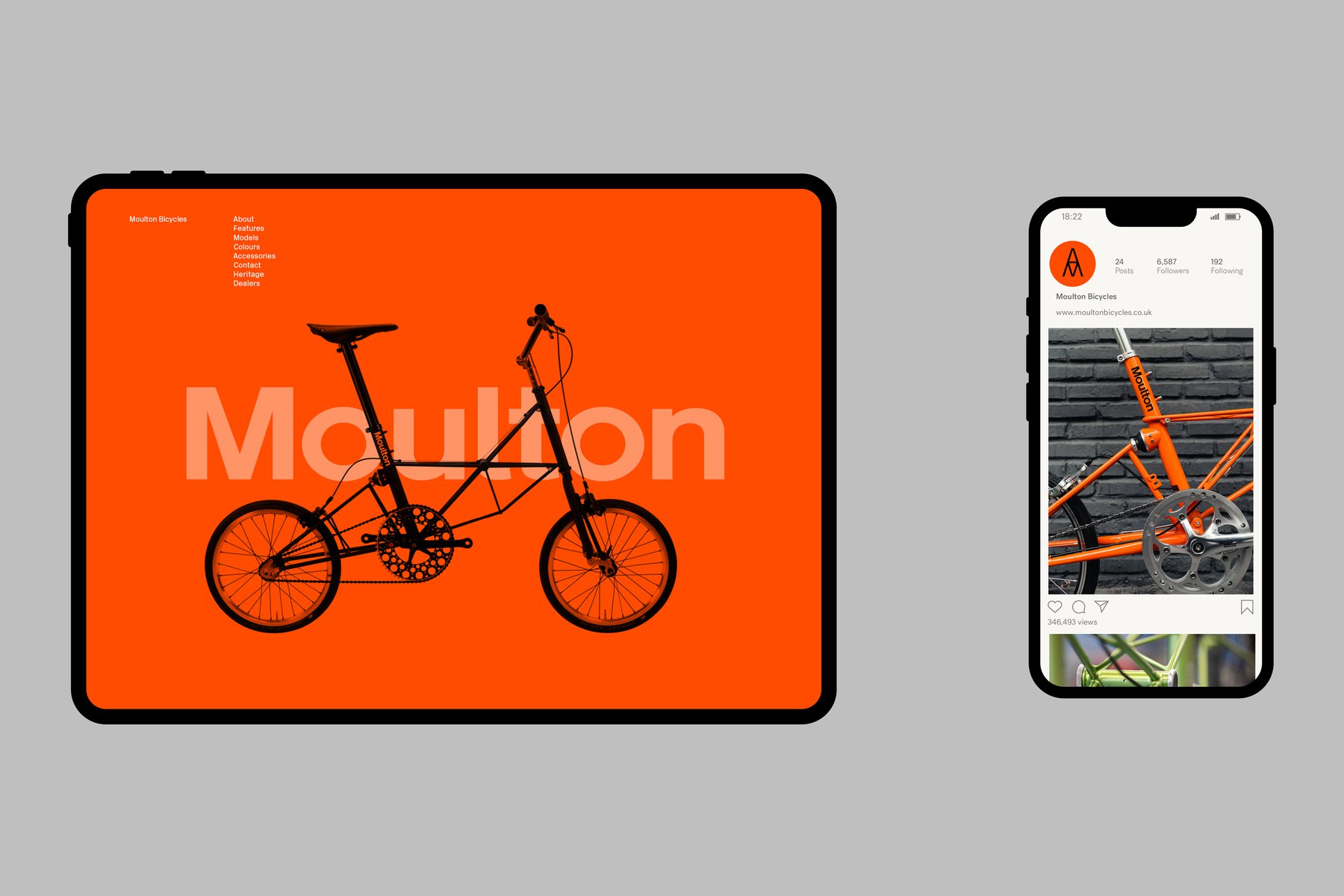
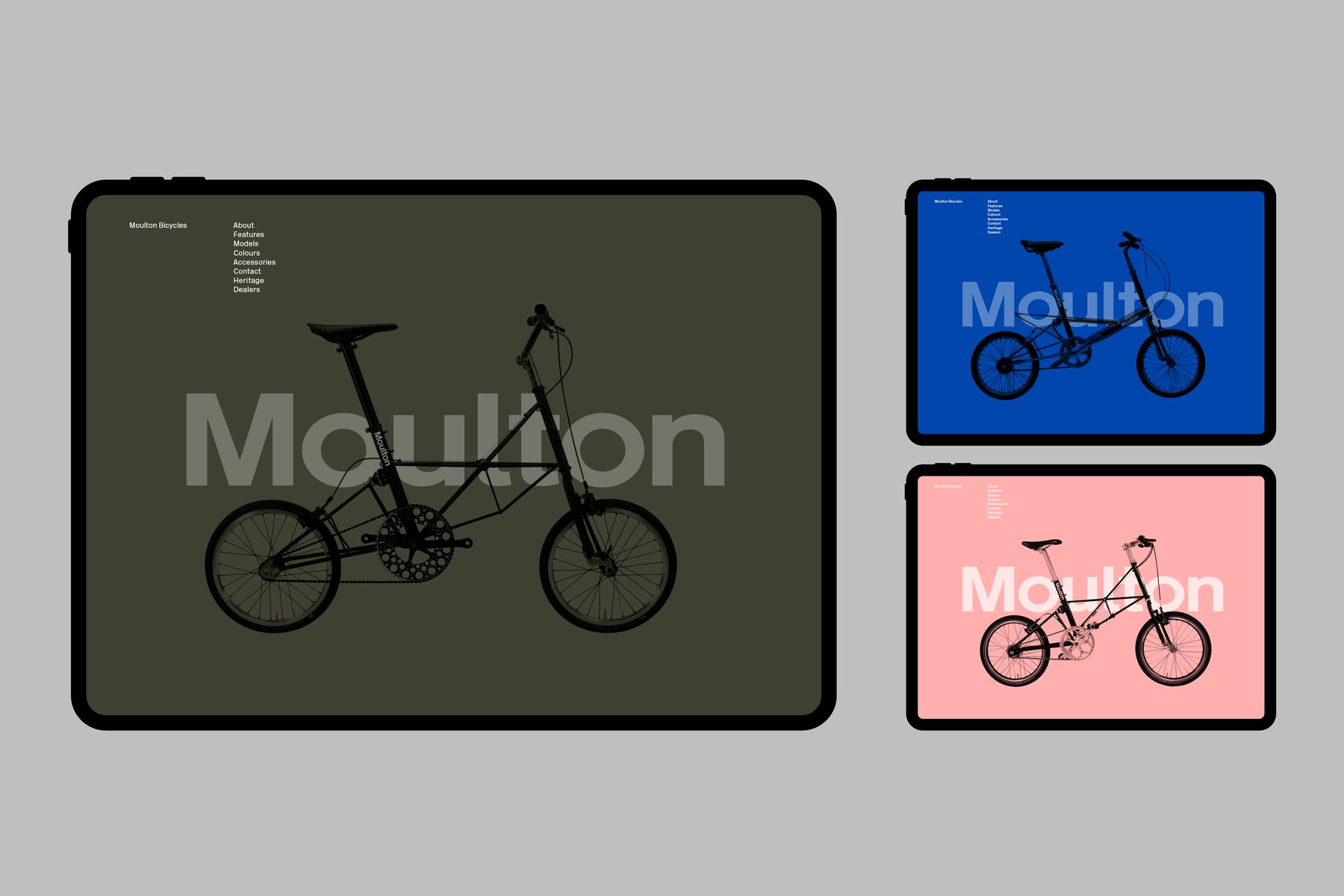
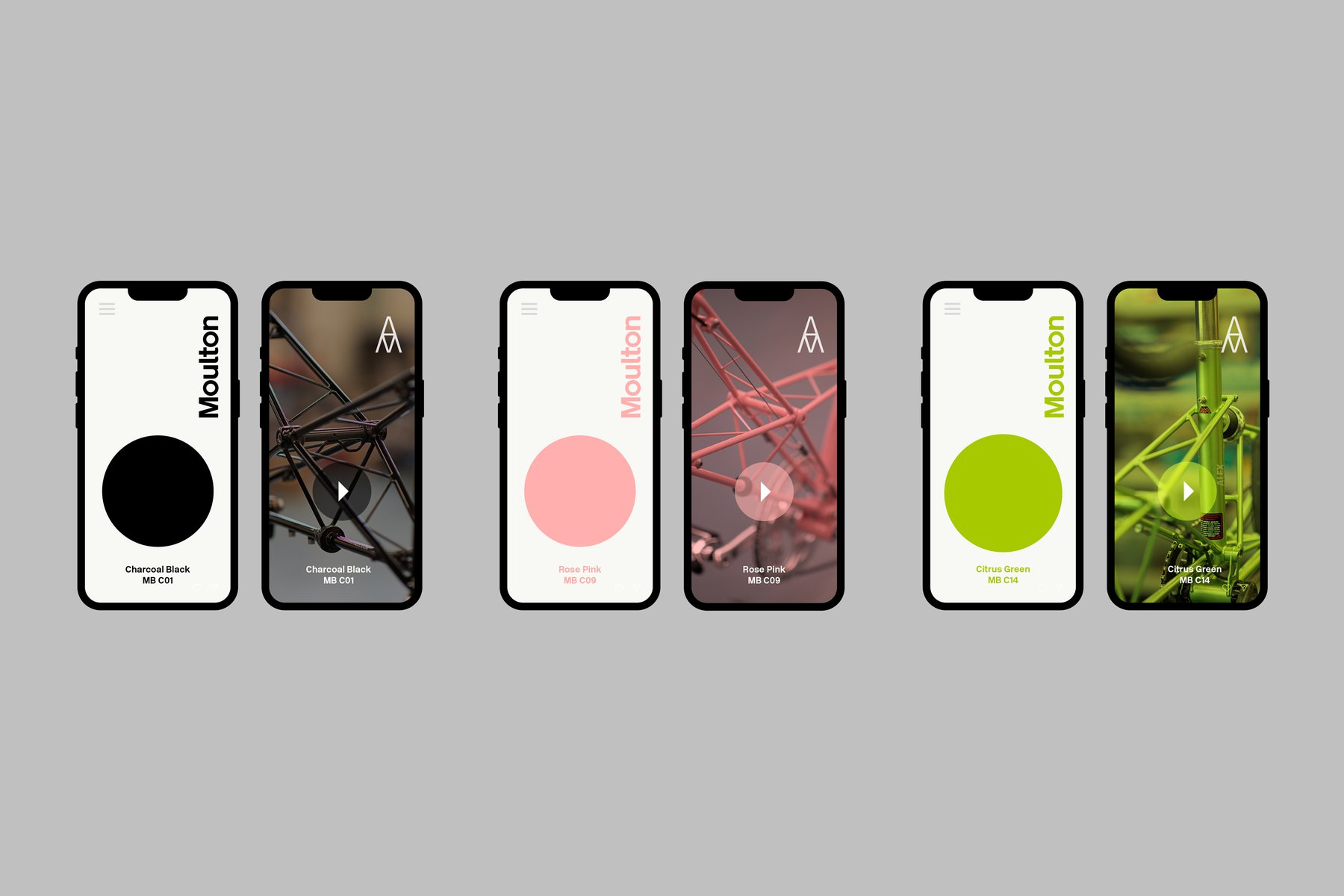
During our conversation – that included the history of Moulton, it emerged that Alex Moulton had been a huge admirer of Jock Kinneir and Margaret Calvert’s typographic work. For their British road and rail signage. Unsurprising perhaps, given this work represented pioneering British Modernism and its associated design. This led me to imagine what a logotype for Moulton could look like based on some of the letter forms of Kinneir and Calvert’s work. In upper and lower case, there seemed the gift of two small circular ‘o’s’ within the name that subtly echoed the small wheels of the bicycles. I then considered how an Alex Moulton ‘AM’ monogram could also echo characteristics of the bicycles. With a simple, reductional execution. Looking at the distinctive spaceframe constructions and their beautiful geometry led me to an equally geometric rendering. .
The designs were self-initiated proposals.
The original Moulton visual identity was created by Banks & Miles in 1962 for the launch of the first F-Frame. There’s been a number of logotype and symbol variations since.
Today, Moulton focus on hand-building the later, more complex spaceframe models (first launched in 1983). These are rightly hailed as a top-end design classic and are highly sought-after across the world – to those who can afford one. Sir Norman Foster (a friend of Alex Moulton, keen cyclist and a Moulton enthusiast), described them as: ‘the greatest work of 20th-century British design’.
Working on a photographic project to showcase the best in design and British manufacturing, naturally then included some time at Moulton’s factory in Bradford-on-Avon. This led to some insightful conversations with both the Technical Director, Dan Farrell and Sales Director, Steven Harvey. (Dan is also an important local historian who has written a book on the town’s industrial past and the Moulton family’s pioneering rubber business.)
During our conversation – that included the history of Moulton, it emerged that Alex Moulton had been a huge admirer of Jock Kinneir and Margaret Calvert’s typographic work. For their British road and rail signage. Unsurprising perhaps, given this work represented pioneering British Modernism and its associated design. This led me to imagine what a logotype for Moulton could look like based on some of the letter forms of Kinneir and Calvert’s work. In upper and lower case, there seemed the gift of two small circular ‘o’s’ within the name that subtly echoed the small wheels of the bicycles. I then considered how an Alex Moulton ‘AM’ monogram could also echo characteristics of the bicycles. With a simple, reductional execution. Looking at the distinctive spaceframe constructions and their beautiful geometry led me to an equally geometric rendering. .
The designs were self-initiated proposals.
The original Moulton visual identity was created by Banks & Miles in 1962 for the launch of the first F-Frame. There’s been a number of logotype and symbol variations since.